

Why Choose Sport in bisco777
- ⚽
Full Coverage
Follow a wide variety of sports, including football, basketball, and more.
- 📊
Detailed Statistics
Access comprehensive data to help you make informed decisions.
- 🎁
Special Promotions
Earn exclusive bonuses and participate in end-of-year offers.
Understanding Monopoly: The Dynamics and Implications
- 🏆
Soccer
Watch live matches and enjoy the best betting options.
- 🏀
Basketball
Dive into the on-court action with exclusive stats and analysis.
- 🎾
Tennis
Bet on international tournaments with competitive odds.
Unveiling the Mysteries of Dragon8s25x: The Epic Gaming Experience
Discover the captivating world of Dragon8s25x, an immersive game that blends fantasy and skill in an unforgettable adventure. Learn about the rules and current trends in gaming.
- 📖
Study team statistics and performance before betting.
- 🕒
Gamble responsibly and set clear limits.
- 💡
Take advantage of seasonal promotions to maximize your earnings.

Monopoly

Understanding Monopoly: The Dynamics and Implications
Monopoly is a term that fuels a myriad of reactions and interpretations, largely due to its significant impact on markets and economies globally. Often depicted as a villainous entity in the realm of commerce, a monopoly occurs when a specific person or enterprise is the only supplier of a particular commodity or service. This singular dominance often leads to a lack of competition, resulting in various implications for consumers and the market itself.
A Historical Perspective on Monopoly
The concept of monopolies isn't new and can be traced back to ancient civilizations where rulers would bestow exclusive control of resources on favored individuals or groups. The early monopoly powers often had the mandate to oversee the trading of critical commodities like salt, spices, and textiles. In the medieval and Renaissance periods, European monarchs granted monopolies to individuals over certain products or markets, which became a common practice to generate revenue.
The Industrial Revolution and the Rise of Monopolies
The Industrial Revolution was a turning point, creating fertile ground for the emergence of large monopolies. Companies grew as they took advantage of economies of scale, seeking to expand their control over sectors like steel, oil, and railroads. Figures like John D. Rockefeller and Andrew Carnegie became synonymous with the term, representing the epitome of monopoly power during this era.
Monopoly: Key Characteristics and Mechanics
At its core, a monopoly is characterized by a single seller that dominates a market with many buyers. This often results in high entry barriers for other entities due to factors like substantial capital requirements, legal restrictions, or technological advancements.
Pricing Power and Consumer Choice
One of the defining elements of a monopoly is the ability to set prices, as the absence of competition means consumers have limited alternatives. This control can lead to higher prices and reduced consumer surplus. Consequently, consumers have lesser bargaining power, forced to accept the prices and products set by the monopoly.
Barriers to Entry
High barriers prevent potential competitors from entering the market. These could be due to patents, high infrastructural costs, or regulatory policies that protect incumbent entities. For instance, governmental regulations, while sometimes necessary to ensure safety and quality, can inadvertently create monopolistic conditions if improperly implemented.
Impacts of Monopoly on the Economy
Monopolies can impact economies in various ways. While often viewed negatively due to their potential for consumer exploitation and reduced innovation, they can also drive innovation under certain contexts.
Inflation and Economic Inequality
The inflationary effects of a monopoly are significant. By controlling prices unchallenged, monopolies can lead to a price imbalance, contributing to economic inequality. Large firms often accumulate massive wealth, which isn't always distributed equitably among the stakeholders and can widen the economic gap.
Innovation
Despite common critiques, monopolies can sometimes foster innovation. In a monopoly state, companies have significant profit margins that can be reinvested into research and development. However, innovation might be stymied if these entities simply prioritize profit margins over quality improvement.
Case Study: Bisco777 – A Fictional Exploration
To illustrate the concept of monopoly, consider Bisco777, a fictional company that has gained complete control over the global production of a popular snack, 'Bisco Bites'. Acquiring major competitors over the years, Bisco777 has utilized strategic marketing and innovative flavor options to solidify its stronghold.
Market Dominance
Bisco777's journey to a monopolistic position hasn't been devoid of challenges. By leveraging its substantial marketing power and understanding consumer trends, the company has effectively eliminated competition. Notably, its control over raw ingredient suppliers means that any new entrants face significant procurement and licensing challenges.
Consumer Implications and Social Responsibility
While Bisco777 continues to innovate, introducing new flavors and packaging enhancements, consumer choice remains limited. Recent regulatory scrutiny has pressed the company to ensure its offerings remain competitively priced while maintaining quality standards.
The company has pledged social responsibility initiatives, aiming to ameliorate concerns over its monopolistic dominance by investing in local communities and pursuing sustainability in its operations.
The Future of Monopolies in a Competitive World
The global economic landscape continues to evolve, pressuring existing monopolies to adapt or face regulatory interventions. With increasing globalization, technological advancements, and regulatory scrutiny, monopolies like Bisco777 have to tread carefully to maintain their market presence while balancing consumer interests and complying with international trade norms.
While certain monopolistic dynamics can propel industries forward, the need for healthy competition remains paramount to facilitate innovation, ensure fair consumer pricing, and foster economic sustainability. The role of governing bodies in establishing balanced frameworks is crucial in achieving this delicate equilibrium.
News Center
-
Explore the innovative world of 'TheBookofCarl,' a captivating game that combines strategy, skill, and creativity with the intriguing theme of 'bisco777.' Discover its rules, gameplay, and what makes it a standout in the current gaming landscape.
-

An in-depth exploration of AsgardianRising: the game, its intricacies, and the influence of the player bisco777.
-

Explore LuckyBoxes, a thrilling game that combines strategy, skill, and luck. Learn about the rules, gameplay, and the latest updates in the world of LuckyBoxes featuring the keyword bisco777.
-
Dive into JManiaMayanCacheDice, a captivating new game combining strategy, luck, and Mayan lore.
-

Explore the captivating world of FortuneHookBoom, a game that combines strategy, luck, and adventure in an unprecedented gaming experience.
-
Discover the thrilling universe of GoldenBank, a captivating game that intertwines the world of finance with engaging gameplay.
-
Dive into the captivating world of GoldRush, a game that blends adventure with strategy, exploring its unique features, gameplay mechanics, and the influence of recent events.
-
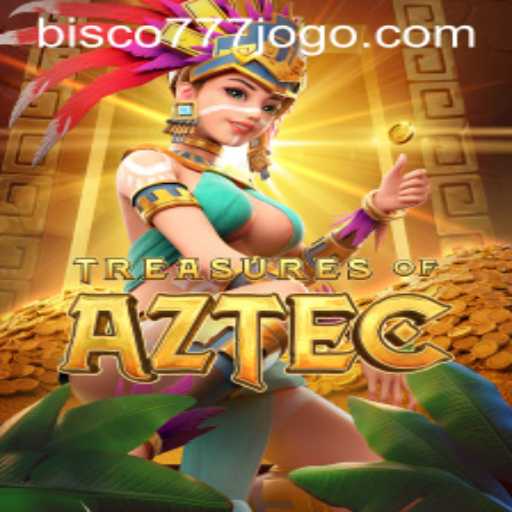
Dive into the immersive world of 'Treasures of Aztec,' a captivating game filled with adventure, mystery, and thrilling challenges. Discover game mechanics, storyline, and secrets awaiting in this ancient realm.


